
Yoghurt
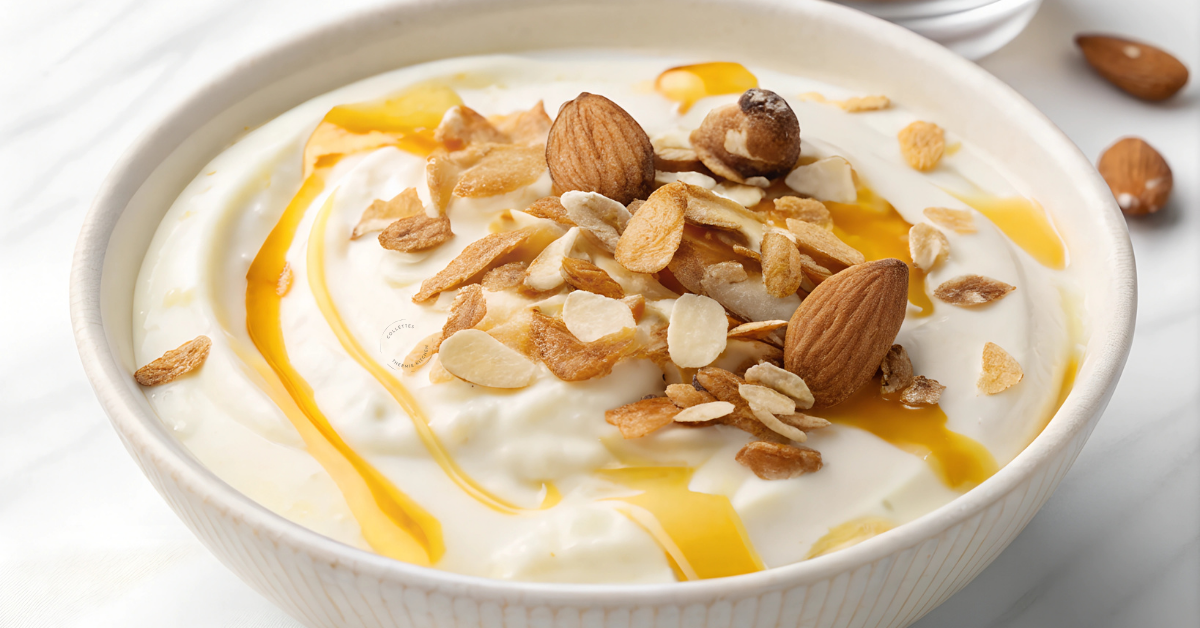
I have been making my own yoghurt in my Thermomix for a few years now and I don’t think I’ll ever go back to shop bought. This Thermie made yoghurt is seriously good and its less than half the price of shop bought! I’m eating more yogurt now than ever before, and that’s a good thing!
This is my go to recipe for making yoghurt! Why you may ask, because by using UHT milk, it’s faster and easier! It tastes fabulous, thick, creamy and really, something you look forward to.
Additions
You can add certain ingredients to enhance the flavour, texture, and nutritional profile. Here are some suggestions:
- Milk Powder: Adding milk powder to your milk before heating can increase the protein content and contribute to a thicker yoghurt texture.
- Sweeteners: If you prefer a slightly sweetened yoghurt, you can add sweeteners like sugar, honey, or maple syrup before fermentation. Keep in mind that natural sugars can help feed the bacteria cultures.
- Vanilla Extract: For a hint of vanilla flavour, add a small amount of vanilla extract to the milk before heating.
- Fruit Puree: Mix in fruit puree (such as blended berries, peaches, or mangoes) into your yoghurt once it has set.
- Infused Flavourings: Experiment with infused flavours by adding ingredients like citrus zest, cinnamon sticks, or a few crushed cardamom pods to the milk. Remove these before fermenting.
- Probiotic Supplements: To boost the probiotic content of your yoghurt, you can add a powdered probiotic supplement to the milk before fermentation.
- Before adding any ingredients, ensure they are well-mixed with the milk to distribute them evenly. Keep in mind that excessive amounts of sugar can potentially hinder the fermentation process, so moderation is key. Additionally, if you’re using commercial yoghurt starters, follow the specific instructions provided with the starter culture.
The golden rule
It’s best to ferment first. Flavour later. Stir your goodies through after your yoghurt has fully set and chilled.
Thermomix individual yoghurt pots with lid – available to buy in our Mix shop. https://thermomix.com.au/products/glass-yoghurt-jars-with-lids-set-of-8
Taste
The duration of fermentation can impact the taste of yoghurt, and a longer fermentation time often results in a tangier or more sour flavour. The sourness in yogurt is primarily due to the fermentation of lactose (the sugar present in milk) by lactic acid bacteria, which convert lactose into lactic acid.
Here’s a general breakdown of how fermentation time affects yogurt taste:
- Short Fermentation (9 hours): Yoghurt tends to be milder, creamier, and sweeter with less tanginess. This is a good option if you prefer a sweeter yogurt.
- Medium Fermentation (10 hours): This is a common range for fermentation and typically results in a balanced flavour profile, offering a blend of creaminess and mild tanginess.
- Long Fermentation (10 hours or more): The longer the fermentation, the more lactic acid is produced, leading to a tangier and sometimes even a more pronounced sour taste. Some people enjoy yoghurt with a strong tang, while others prefer a milder version.
Even thicker Yoghurt & Labneh
If you love thick, creamy yoghurt, draining it is the simple trick that turns everyday yoghurt into something truly special – even into soft, spreadable labneh. Once your yoghurt has finished fermenting and fully chilled, tip it into a nut-milk bag, muslin or a clean Chux cloth set over a bowl and place it in the fridge. As the whey slowly drains away, the yoghurt naturally thickens without any additives. After 2–3 hours you’ll have luscious thick Greek-style yoghurt, after 6–8 hours it becomes beautifully spoon-standing, and if you leave it overnight you’ll end up with labneh – perfect for spreading, rolling into balls or drizzling with olive oil and herbs. This gentle draining method concentrates flavour, boosts creaminess and gives you complete control over the final texture.
Whey – Liquid Gold!
That clear liquid that pools on top of your yoghurt is whey – and it’s liquid gold, so don’t throw it away! Simply pour it off or collect it from your draining bowl and use it anywhere you’d normally use water or milk. Whey is packed with minerals and gentle acidity, making it brilliant in bread doughs, flatbreads, pancakes, smoothies, soups, stocks or even cooking rice. It adds a subtle savoury depth, helps doughs ferment beautifully and is a fabulous way to reduce waste while getting even more goodness from every batch of yoghurt you make. Store in the frideg for up to 2 weeks or freeze in ice cube trays up to 6 months.
Watch my Facebook live as I make this great yoghurt!

Ingredients
- 1 ltr full fat UHT milk
- 50 grams full fat milk powder
- 20 gram sugar optional
- 60 grams Greek yogurt
- 250 grams warm water
- 1 tbs vinegar
Instructions
- It is important to start with a clean bowl. If unsure do a prewash – cover blades with water, add a dash of vinegar and prewash on universal.
- Add milk to Thermomix bowl and heat: 5 mins/45℃/speed 1. Heat longer to reach 45℃ if needed.
- Add remaining ingredients to Thermomix bowl, (sprinkle on the milk powder). Mix 5 secs/speed 4. Ensure everything is mixed through.
- Pour into a container that has a lid (I use round pyrex one), and fits into the varoma dish comfortable with the lid on. Place container in the varoma dish and set aside.
- Clean Thermomix bowl, add 250g warm water and 1 tbsp vinegar. Set bowl in position. Place Varoma on top of lid.
- Select Fermentation Mode (find in your Modes) and ferment: 10 hours at 70℃.
- Once done, transfer to the fridge to cool and thicken, at least 4 hours.
Notes
- Recipe can be doubled
- Dont worry if you need to leave the yoghurt longer – it will be happy for a few extra hours.
- Remember to keep back 60g of yoghurt for your next batch